Pumpkin and Mushroom Floral Design Review
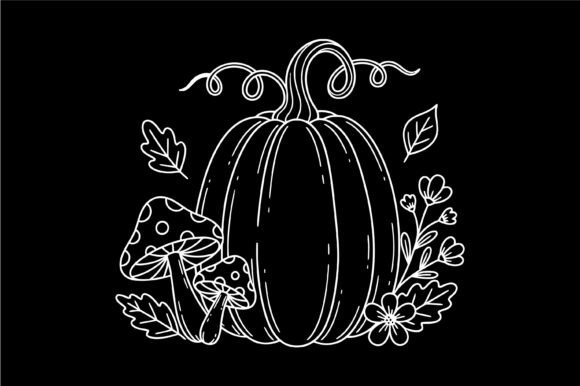
When I first opened the files for Pumpkin and Mushroom Floral Design, I didn't just see a collection of autumn shapes; I saw a mood. As someone who has spent years testing digital assets for real-world embroidery, my initial reaction is usually to look for potential pitfalls in stitch density or layout balance. However, this piece immediately felt cozy and grounded. It captures that specific rustic charm of harvest season without feeling cluttered or overly complex. The combination of pumpkins and mushrooms creates a natural narrative that feels perfect for fall-themed projects, evoking images of forest floors and crisp October air.
The visual personality of this design is warm and inviting. It isn't trying to be high-fashion or avant-garde; it is designed to make people feel comfortable. This makes it an ideal candidate for handmade products where emotional connection matters more than technical complexity. Whether you are creating items for your own wardrobe or building a boutique brand, this machine embroidery design offers a versatile foundation that can be adapted for various textures and garments.
Real-World Application: From Digital File to Finished Product
To truly understand how this embroidery file performs, we need to move past the screen and imagine it on fabric. Let me walk you through a scenario I recently faced while preparing for a holiday craft fair. I needed a custom embroidered tote bag that would appeal to buyers looking for unique, seasonal gifts. I decided to test Pumpkin and Mushroom Floral Design on a heavy-duty canvas tote.
The result was impressive. The layout held up well under the tension of the machine, and the floral elements provided enough negative space to prevent the stitching from looking too dense. When I stitched it onto the canvas, the pumpkin shapes took on a nice rounded volume, while the mushroom details added a whimsical touch that customers loved. The design felt substantial enough to stand out against the textured fabric but delicate enough not to weigh down the bag handles. This kind of balance is crucial when creating custom apparel or accessories that will be used frequently.
I also considered using this design for baby items, such as a onesie or a soft blanket. The theme is gentle and non-threatening, which is exactly what parents look for in baby embroidery. The lack of sharp angles or aggressive lines makes it safe for sensitive skin, provided you use the correct stabilizer and thread tension. For a nursery decor item like a pillow cover, the rustic aesthetic fits perfectly with modern farmhouse trends. It bridges the gap between traditional folk art and contemporary home decor, making it a strong choice for Etsy sellers targeting that specific demographic.
Where This Design Shines
This Graphics package excels in several key areas where many other designs fail. First, the scalability is excellent. Because the design includes vector-based formats like SVG and EPS, you can resize it for different applications without losing clarity. You could easily scale it down for a small cap logo or expand it for a large sweatshirt back print. The inclusion of a transparent PNG ensures that when you are creating mockups for your shop, the design sits cleanly on top of your product photos without any ugly white boxes.
- Apparel Decor: It works beautifully on sweatshirts, t-shirts, and hoodies, adding a pop of seasonal color to everyday wear.
- Kitchen Textiles: Imagine this stitched onto a tea towel or apron. The harvest theme is timeless for kitchen decor, and the design is detailed enough to hold its shape on cotton blends.
- Personalized Gifts: The rustic vibe pairs well with monograms, making it a fantastic base for personalized gifts like wedding favors or anniversary presents.
- Boutique Branding: For small business owners, this design can serve as a signature element on packaging tags or hang tags, reinforcing brand consistency across all small shop products.
Technical Considerations and Potential Pitfalls
While I am enthusiastic about this design, a professional review must address where caution is required. Not every surface is suitable for every pattern. If you are planning to use Pumpkin and Mushroom Floral Design on a curved surface like a baseball cap, you need to be mindful of the distortion that occurs during stitching. Curved surfaces often compress the design, potentially squishing the mushroom stems or altering the roundness of the pumpkins if the hoop size isn't optimized.
Similarly, thin fabrics present a challenge. If you attempt to stitch this on a sheer material or a very light linen without proper backing, the stitch density might cause puckering. The design likely contains a mix of satin stitch for outlines and fill stitch for the bodies of the pumpkins. On thin fabrics, fill stitches can pull the material, ruining the drape. Always test on scrap fabric first to ensure the stabilizer you choose provides enough support.
Dark fabrics require special attention regarding thread color contrast. If you plan to embroider this on a black hoodie, you will need to select thread colors that pop against the dark background. The design itself does not dictate thread colors, so you have the creative freedom to choose bright oranges and earthy browns, or perhaps a more subtle palette of creams and grays. However, if you choose low-contrast threads, the details of the floral elements might get lost in the fabric texture.
Another area to watch is the hoop size. While the design is versatile, extremely small hoops might struggle to capture the finer details of the leaves or the gills of the mushrooms. If you are working with a 4x4 inch hoop, check the file dimensions carefully. Tiny lettering or intricate corners might become indistinguishable after stitching, leading to a blurry finished product that disappoints customers.
Professional Tips for Success
Before you start your next embroidery project, keep these practical notes in mind to ensure the highest quality output. First, always run a test stitch on a piece of scrap fabric that matches the weight and stretch of your final project. This allows you to adjust the tension and see how the fabric texture interacts with the thread.
Review the stitch density closely. High-density areas can sometimes lead to thread breakage or needle deflection, especially on difficult materials. If the design feels too dense for your intended use, consider reducing the fill percentage slightly to maintain flexibility. Also, inspect the small details in the design files before digitizing. Ensure that the paths are clean and that there are no overlapping elements that could cause the machine to jump.
If you are selling finished items, confirm the licensing terms included with the digital embroidery file. Some creators allow commercial use, while others restrict it to personal projects only. Since this package includes editable files like SVG and EPS, it is highly valuable for designers who want to modify the design, but you must respect the intellectual property rights of the original creator.
Finally, think about the customer experience. A well-executed handmade product tells a story. When a buyer receives a tote bag or a sweater featuring Pumpkin and Mushroom Floral Design, they should feel the quality of the workmanship. The stitching should be tight, the colors vibrant, and the placement centered. By paying attention to these details, you build trust and encourage repeat business.
In conclusion, Pumpkin and Mushroom Floral Design is a standout asset for anyone looking to add a touch of autumnal warmth to their collection. Its rustic charm and adaptable layout make it suitable for everything from holiday embroidery to daily wear. With careful attention to fabric selection and machine settings, this design can elevate your craft business and help you create memorable, professional-grade pieces that customers will cherish.